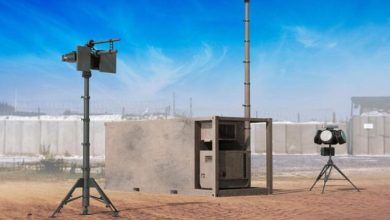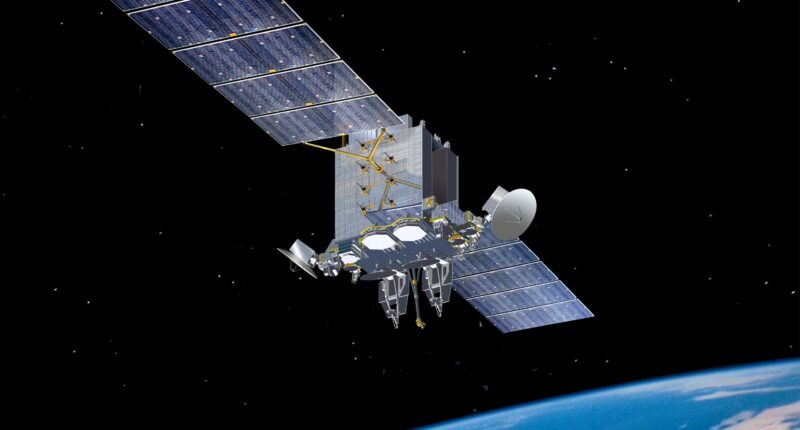
XCM3-Space is a software-defined radio with built-in security, operates across multiple frequencies and networks simultaneously, and operates in Low Earth Orbit.
Leonardo DRS has successfully completed the first on-orbit test of a new software-defined radio (SDR) designed to secure US military satellite data at the tactical edge.
The eXtended Crypto Module3-Space (XCM3-Space) is a multi-channel SDR featuring integrated, built-in security.
Operating in Low Earth Orbit (LEO) aboard a Proteus Mercury satellite launched in late November, the system reportedly met all primary test objectives.


The test validates the SDR’s ability to protect sensitive data in the space domain while maintaining high-performance communications under cyber and electronic warfare threats.
“Secure, flexible satellite data transport is the backbone of modern military operations,” said Larry Ezell, senior vice president and general manager of Leonardo DRS.
“Our investments in next-gen low Earth orbit SDR provide a decisive leap forward, overcoming the limitations of legacy systems that are rigid and difficult to update once deployed.”
A second system is planned for launch in 2026 to demonstrate expanded edge processing and waveform capabilities.
Securing Military Data in Orbit
Leonardo DRS developed the SDR to deliver high-performance satellite communications across multiple frequencies and networks simultaneously.
With a fully reprogrammable, secure architecture, it is built to support current and future secure data transport requirements.
The system will support secure communications for the US Space Force, Space Development Agency, the Missile Defense Agency’s Golden Dome program, and other all-domain missions.
As LEO satellite architectures increasingly require onboard computing and processing at the edge, the XCM3-Space SDR will be critical for space-based detection and interception of ballistic and hypersonic missile threats, requiring secure onboard data encryption and decryption.
With strategic investments in AI and open-architecture edge computing, Leonardo DRS aims to transform tactical satellite communications and advance secure space operations.