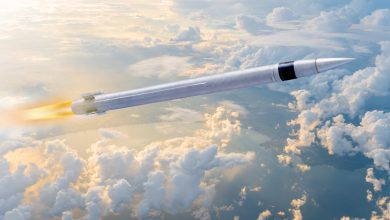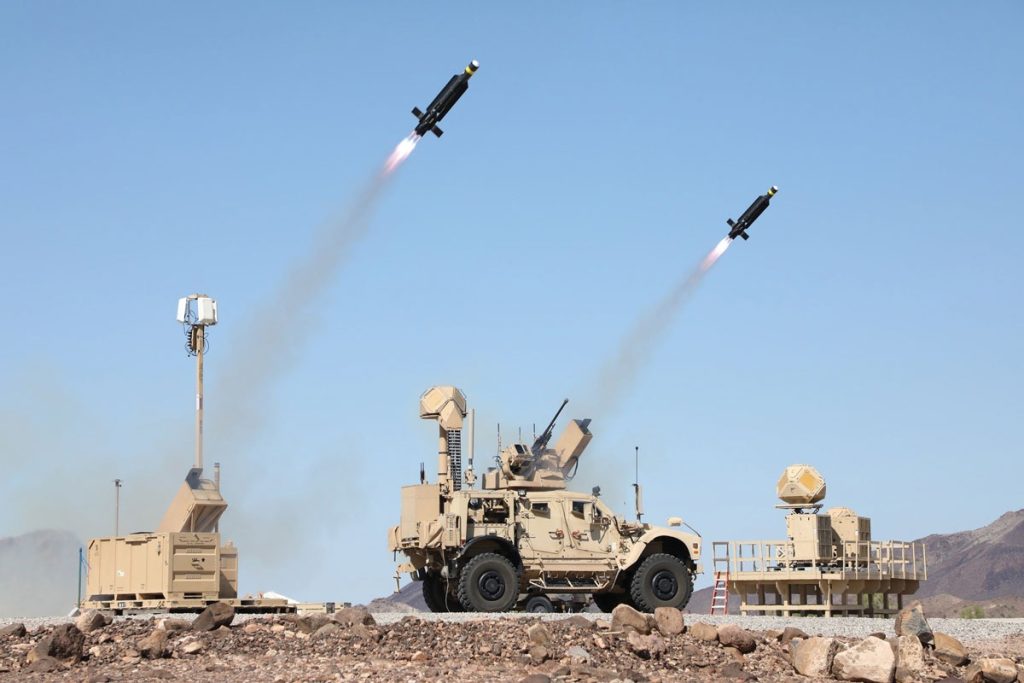
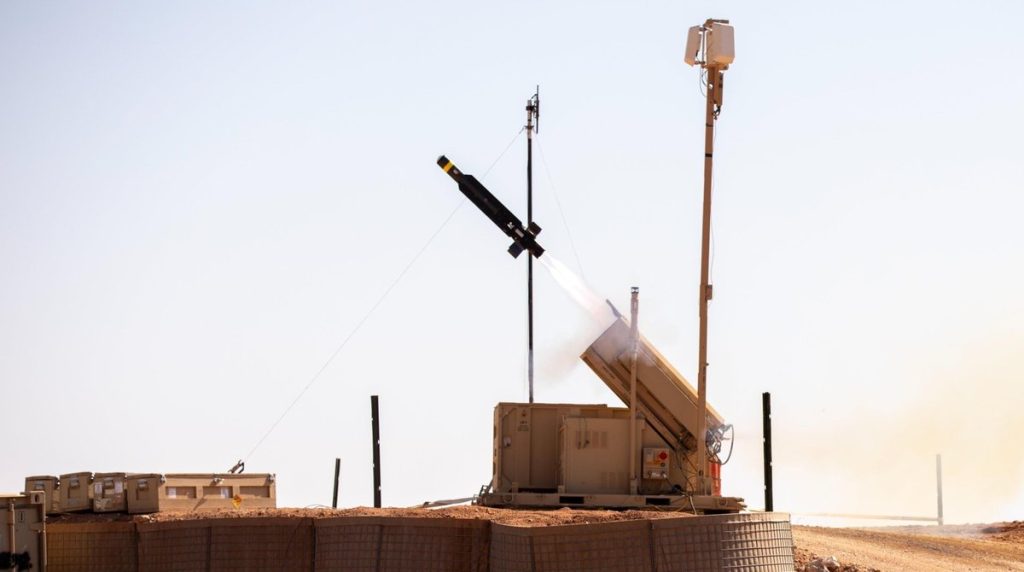
U.S. company Raytheon has developed a new version of the Coyote Block 2C+RM interceptor drone designed to counter drones.
The main design change replaces the small turbojet engine with a solid-fuel rocket motor, The War Zone reports.
The switch to a new rocket equipment fundamentally changes the interceptor’s classification, bringing its performance closer to that of full-fledged surface-to-air guided missiles. The propulsion system provides significantly greater launch acceleration and much higher speed throughout the flight.
In addition to the new motor, the developers have equipped the Coyote Block 2C+RM with an improved seeker and an upgraded warhead.
The interceptor can engage targets with characteristics similar to those of cruise missiles, including jet-powered kamikaze drones.
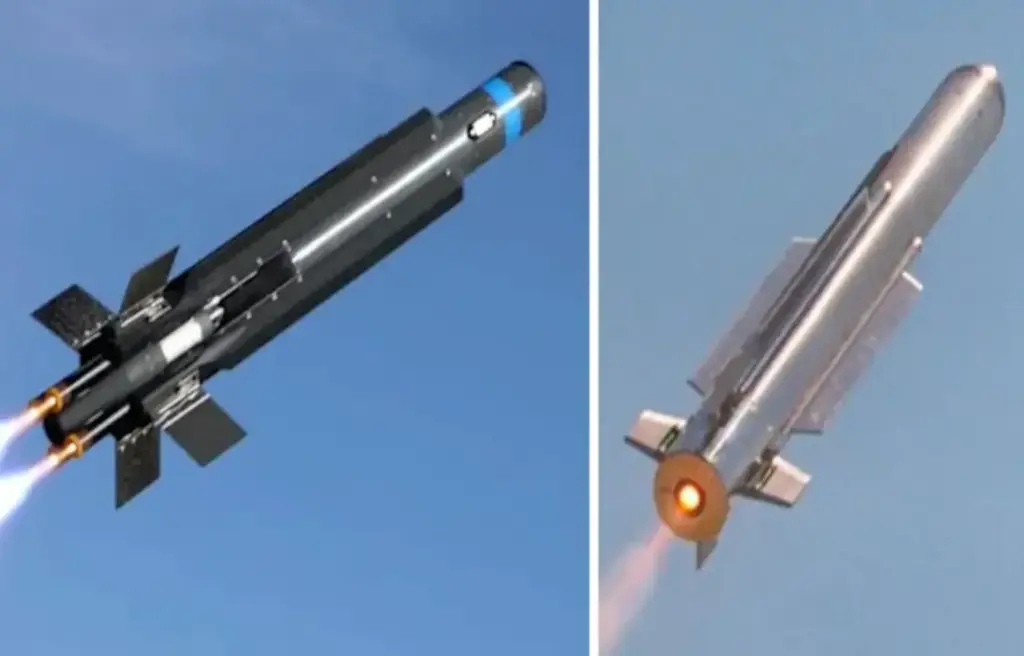

A series of rocket motor tests was conducted specifically for the new system, followed by three successful test launches. Development of this version took approximately 15 months.
The new Coyote Block 2C+RM variant remains fully compatible with existing launch infrastructure.
It can be launched from all standard four- and eight-cell modules used on wheeled vehicles, fixed ground positions, and naval platforms.
The new version’s exact performance specifications remain classified. However, the baseline jet-powered version reaches over 555 km/h and has a 10–15 km range at altitudes up to 5.5 km. The Block 2C+RM version significantly exceeds these figures.
The upgraded propulsion system and seeker will let the Block 2C+RM integrate into existing LIDS air defense systems without major modernization of the ground-based detection equipment.
Earlier, a previously unidentified launcher spotted aboard the U.S. Navy’s Arleigh Burke-class destroyer USS Carl M. Levin was later revealed to be part of a counter-drone system.
It is designed to launch eight Coyote-family interceptors. Unlike the newer rocket-powered variants, the original Coyote Block 1 is a six-kilogram kamikaze drone powered by an electric motor and equipped with a high-explosive fragmentation warhead with a proximity fuze.
Coyote Family Versions and Performance Specifications
Coyote-family interceptors have evolved from lightweight reconnaissance UAVs into full-fledged surface-to-air guided missiles. The system has developed through several main generations:
Block 1
- Type: First-generation lightweight interceptor drone/loitering munition
- Propulsion: Electric motor with a pusher propeller
- Weight: Approximately 5.9 kg
- Speed: Up to 130 km/h
- Warhead: High-explosive fragmentation warhead with a proximity fuze, or reconnaissance equipment
- Features: Launched from tubular launch canisters and equipped with a folding wing
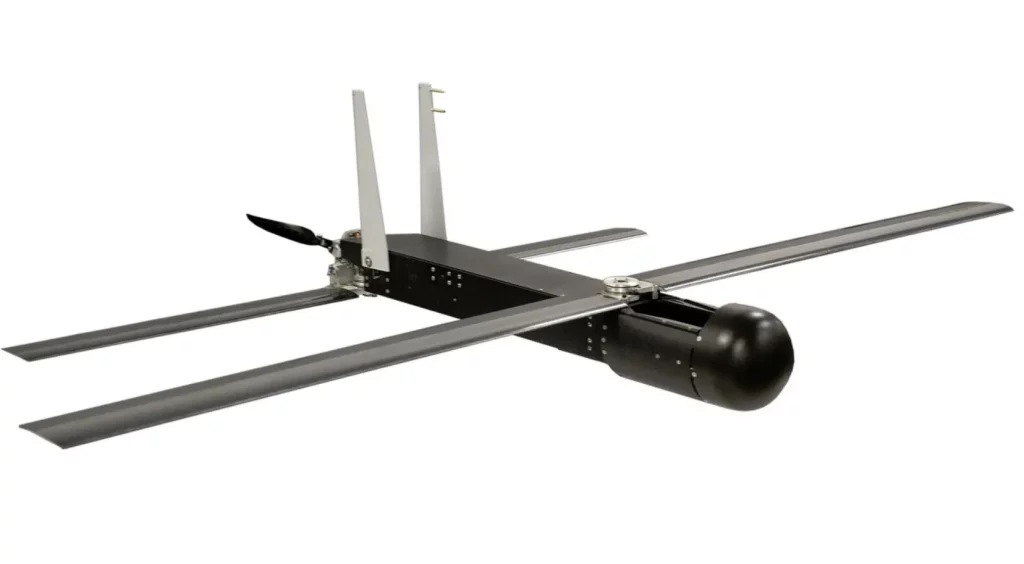

Coyote Block 2 (Baseline Jet-Powered Version)
- Type: Short-range guided jet-powered interceptor
- Propulsion: Turbojet engine with a solid-fuel launch booster
- Speed: Over 555 km/h
- Engagement range: 10–15 km
- Interception altitude: Up to 5.5 km (against Group 3 targets)
- Guidance system: Onboard radio-frequency seeker with ground-based radar cueing
- Warhead: Directional high-explosive fragmentation warhead

Coyote Block 2C+RM (Latest Rocket-Powered Version)
- Type: High-speed short- to medium-range surface-to-air guided missile
- Propulsion: Solid-fuel rocket motor (replacing the turbojet engine entirely)
- Speed: Significantly exceeds 555 km/h (with performance aimed at the supersonic or near-supersonic range)
- Range and altitude: Exceed those of the baseline variant (over 15 km and 5.5 km, respectively)
- Purpose: Destroying high-speed and jet-powered Group 3 UAVs (such as the Geran-4), as well as cruise missiles
- Features: Upgraded radio-frequency seeker, new warhead, and reduced time to target
Coyote Block 3
- Type: Reusable or “non-kinetic” interceptor drone/loitering munition
- Propulsion: Electric motor (building on the Block 1 concept)
- Payload: EW systems, electro-optical equipment, or non-kinetic effectors (for intercepting targets without physically destroying them)
- Features: Ability to return and be reused when carrying out reconnaissance or EW missions
Source: Militaryni
-
-
-

-
-