Iran collected data from social media, fitness apps, and mapping services, as well as satellite imagery likely supplied by Russia, to study routines at military bases while preparing its strikes.
The Los Angeles Times reported this, citing security experts and U.S. military personnel interviewed by the newspaper.
During the first six months of the war, Iran attacked 26 U.S. military sites in the Middle East, as well as hotels where American personnel had been evacuated.
According to security experts and U.S. military personnel interviewed, Iran collected data from social media accounts, fitness apps, and even advertisements to map daily routines at U.S. bases in the region. In particular, U.S. service members publicly revealed their locations at military bases through the Strava fitness app.
By combining this data with Russian satellite imagery, Iranian targeting specialists developed a remarkably accurate picture of where U.S. troops were concentrated and which locations to strike, the newspaper reported.
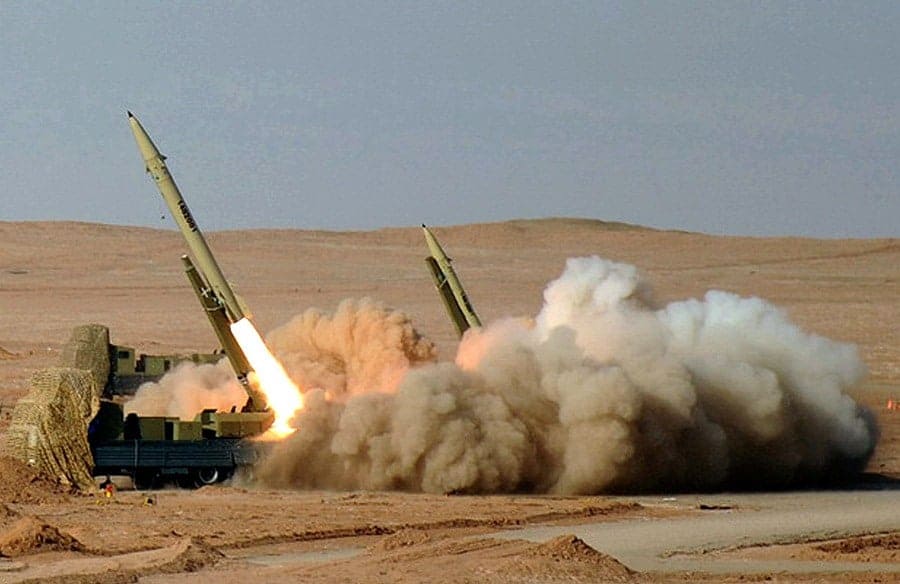
The result was large-scale drone and missile attacks that reached their targets despite numerous interceptions. More than 12 U.S. service members were killed, hundreds of others were wounded, and damage to infrastructure and equipment amounted to billions of dollars.
In April, U.S. Central Command (CENTCOM) acknowledged the possibility of “adversary use of commercially available geolocation data to target or track U.S. personnel in the area of operations.”
CENTCOM confirmed that service members had been allowed to use personal devices in operational areas. Since then, some units in high-risk areas have introduced procedures requiring personnel to hand over their devices for locked storage. Personnel deployed there have also been warned that their devices could be confiscated.
Following pressure from Congress, several branches of the U.S. military disabled mobile advertising identifiers on government-issued devices. These unique device codes are used to track people’s activity and location.
The Navy also circulated a warning containing cybersecurity recommendations. Sailors were advised to limit their social media activity and disable apps’ access to cameras and location data on personal devices. In a subsequent message, the acting Secretary of the Navy urged personnel to strengthen the security of their online profiles and ensure their family members did the same.
The problem of data leaks through fitness apps has been known for years. In 2018, sensitive information about the locations of U.S. military bases became publicly accessible on Strava’s interactive Global Heat Map, which displays activity recorded by users of popular fitness trackers. The map made it possible to track the movements of U.S. military personnel in Iraq and Syria.
Following the incident, the U.S. Department of Defense introduced strict restrictions on service members’ use of geolocation features. Military personnel were ordered to disable unnecessary location services, check their privacy settings, and limit the publication of information about their whereabouts.
Source: Militaryni