Russia’s state defense conglomerate Rostec confirmed that its High-Precision Systems holding has delivered a new batch of BMP-3 infantry fighting vehicles to the Russian Ministry of Defense, with January shipments exceeding planned targets by 40 percent.
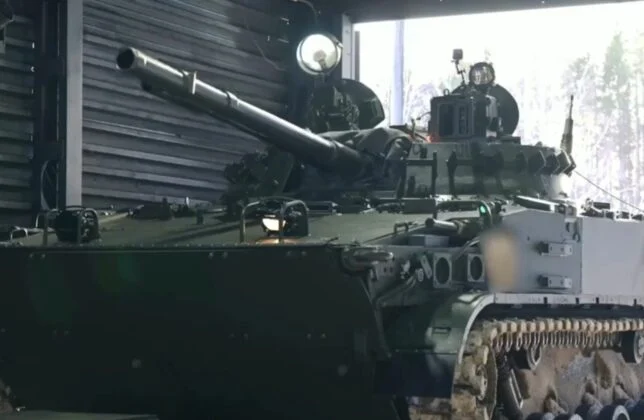
According to a statement from Rostec’s press service, the latest delivery includes upgraded BMP-3 vehicles incorporating a range of modifications aimed at improving combat effectiveness and protection.
The BMP-3 infantry fighting vehicles, produced by the High-Precision Systems holding, are valued in the troops for mobility, firepower, and ease of operation, the company said. Rostec stated that the platform continues to undergo modernization based on experience gained in real combat operations.
“The new batch of ‘threes’ has been shipped by our ‘High-Precision Systems’ with a number of improvements: each vehicle is equipped with a more modern electronic warfare system. Protection of the bottom against explosions has been strengthened, and the anti-fragmentation armor resistance of the rear and front sections has been increased,” Ozdoev added.
Rostec said its armored vehicle plants are operating around the clock and that specialists continue revising the BMP-3 design based on operational experience from the war in Ukraine. The company highlighted the addition of extra protection kits, including side screens, protective grilles, upper hemisphere protection, and visibility-reducing materials as part of what it described as an ongoing adaptation effort.
Today’s standard BMP-3 configuration differs from vehicles delivered before the start of what Moscow calls the “special military operation,” Rostec said, noting that dozens of changes have been introduced over the past four years.
The BMP-3 is a tracked infantry fighting vehicle armed with a 100mm main gun capable of firing conventional rounds and guided missiles, paired with a 30mm automatic cannon and machine guns. It is designed to transport infantry while providing direct fire support and armored protection.
However, independent assessments offer a more critical view of the platform’s performance. According to the monitoring group Oryx, which relies on photo and video evidence, Russia has lost at least 786 BMP-3 vehicles of various modifications during the war. The group tracks only visually confirmed losses, meaning the total number may be higher.
Ukrainian and Russian analysts have noted that the BMP-3 remains vulnerable to modern anti-armor weapons. Discussions within Russia have also questioned the vehicle’s battlefield endurance when compared with Western infantry fighting vehicles deployed by Ukraine.