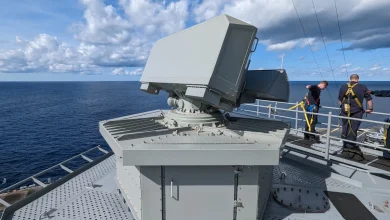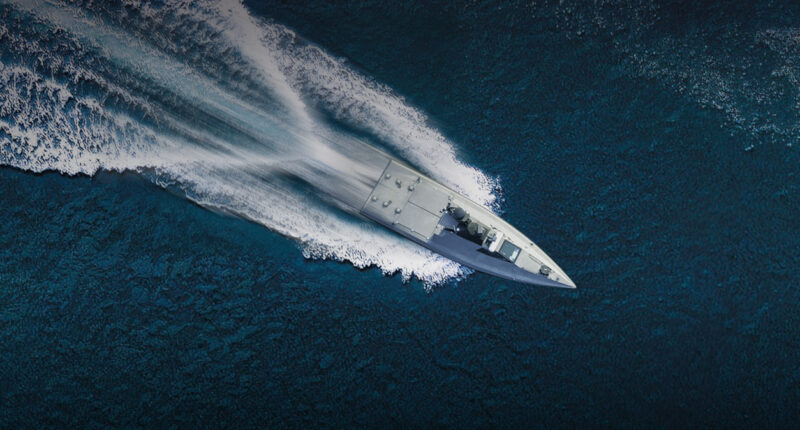
The integrated control system is the main command system for USV, managing navigation, coordinating with manned vessels, and supported by a weapons operation and launch control system.
South Korea is moving to operationalize manned-unmanned teaming at sea, developing core technologies for combat unmanned surface vessels (USVs) designed to operate alongside crewed naval assets.
At the heart of the effort is an integrated control system that manages navigation and high-level command, enabling seamless coordination with manned fleets.
Complementing this is a weapons operation and launch control system that automates functions traditionally handled by onboard personnel.


Tying the architecture together is an autonomous mission system supporting mission planning, coordination, and execution, enabling crew-optional operations across the full mission lifecycle.
Once fielded, these capabilities are expected to improve the operational effectiveness of long-range strike missions conducted by maritime unmanned systems.
Program Outlook
LIG Nex1 is leading the development work in partnership with the Korea Research Institute for Defense Technology Planning and Advancement.
The effort is backed by approximately 49 billion won ($36 million) in government funding and is scheduled to run for 60 months through December 2030.
The initiative is intended to mature critical technologies ahead of South Korea’s planned Combat Unmanned Surface Vessel Batch-II development phase.
“Since 2015, we have independently developed the ‘Haegom’ series of USVs as a civil-military project, accumulating relevant experience and technology,” stated the company as quoted by ChosunBiz.
“Together with the navy, we plan to maintain leading technologies and key talent in the USV field by developing a reconnaissance USV system through 2027.”
-
-
-
-
-