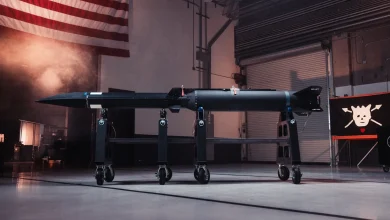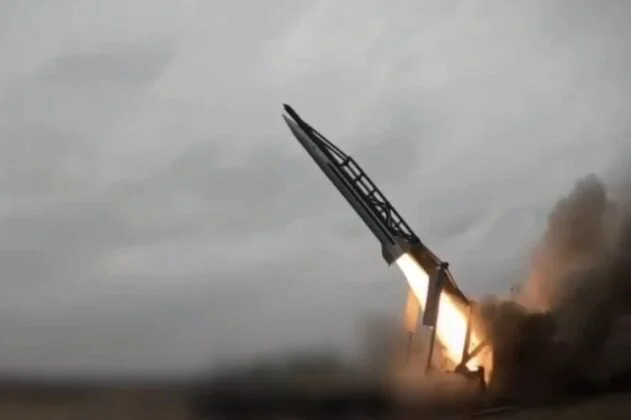
According to materials released by the company and accompanying statements, the FP-7 missile is designed for operational strikes against targets at medium distances. Shtilerman wrote alongside the published footage: “We welcome FP7.”
Fire Point, which has gained international attention for its FP-1 long-range strike drones and development of the large FP-5 Flamingo cruise missile, released the launch video as its first public confirmation that the FP-7 program has reached live testing stages. The footage shows the missile departing from a mobile ground launcher, indicating compatibility with land-based deployment concepts.
Last year, the company stated that the FP-7 will have a strike range of up to 200 kilometers. The missile’s maximum speed is listed at 1,500 meters per second, with a circular error probable of 14 meters. The warhead mass reaches up to 150 kilograms, and the maximum flight duration is reported at 250 seconds.
The new system is intended for operational engagement of targets at medium ranges using a ground-launched configuration. The platform is described as a modular missile design, suggesting adaptability for multiple mission profiles beyond its initial strike role.
Fire Point indicated that the missile’s modular architecture may support future applications, including potential integration into prospective air defense systems. The company notes that the design shares structural and operational similarities with interceptor missiles associated with Russian S-300 and S-400 systems, though configured for Ukrainian requirements.
The publication of test footage represents a rare public look at ongoing Ukrainian missile development programs, many of which remain undisclosed due to operational security concerns. Ukrainian defense manufacturers have increasingly focused on scalable domestic production following sustained demand for precision strike capabilities throughout ongoing combat operations.
Operationally, medium-range ballistic systems provide armed forces with rapid-response strike options capable of reaching targets within minutes. High flight speeds complicate interception efforts and reduce warning time for opposing forces, making such systems valuable for time-sensitive missions.
The decision to publicly release launch footage may also serve to demonstrate technological progress and industrial capacity within Ukraine’s growing defense manufacturing sector. Public demonstrations of testing phases often indicate transition from prototype development toward validation and refinement stages.