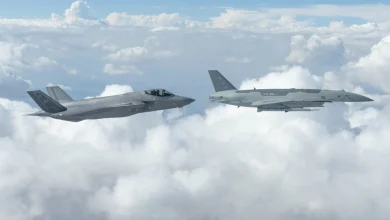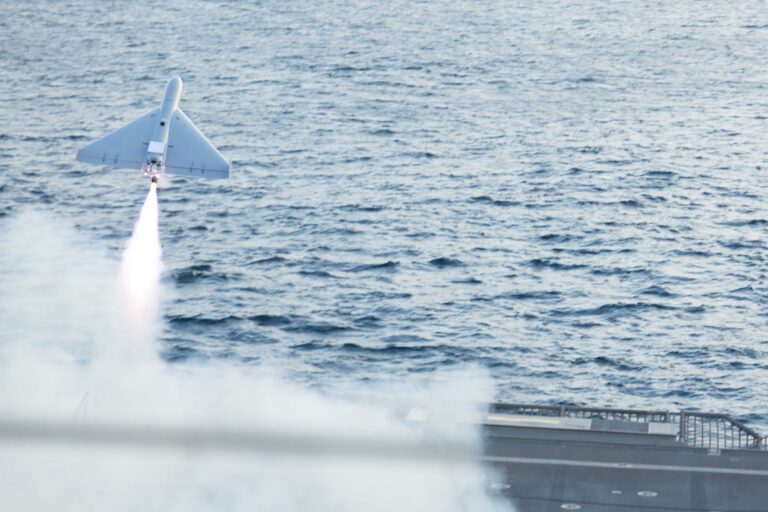
The new position is expected to oversee various drone programs being conducted by the US Navy.
The US Navy has established a new authority to oversee the development and acquisition of robotic and autonomous systems (RAS) across the force.
Acting Secretary of the Navy Hung Cao announced the move as part of an effort to address fragmented requirements, resources, and processes that have slowed the delivery of RAS capabilities to sailors and Marines.
The navy described the move as a “strategic restructuring” that will bring greater coordination to its RAS efforts.
The new position is also expected to work closely with the Department of War’s newly established “Autonomy Czar” overseeing unmanned offensive and defensive systems.
Christopher Miller has been appointed acting Portfolio Director, formally known as the Direct Reporting Portfolio Manager for RAS (DRPM RAS). He will report directly to William Toti, the Under Secretary of the Navy.
Miller will also have dual authority over strategy and acquisition decisions, following a management model similar to the one the navy uses for its submarine programs.
“We are at an inflection point in naval warfare, and the Department has been approaching robotic and autonomous systems through arcane processes that do not deliver capabilities at the speed our Sailors and Marines need,” Toti said.
“Secretary Cao has directed us to replace that model with clear accountability, faster decisions, and a relentless focus on the warfighter.”
Closer to American Warfighters
The US Navy is considering relocating DRPM RAS staff outside Washington and closer to deployed sailors.
The move is intended to strengthen collaboration with operational forces and ensure their feedback remains integrated into technology development and testing.
“To remain the most lethal and technologically advanced maritime force in the world, we must both improve and accelerate how we partner with industry to develop and deliver the next generation of warfighting capabilities,” Miller stressed.
“Success depends on ensuring operational requirements drive rapid development so we’re delivering the right solutions to the warfighter.”
Source: Drone Front
-

-
-
-

-