
Swedish jets intercept Russian Tu-22M3 bombers over Baltic
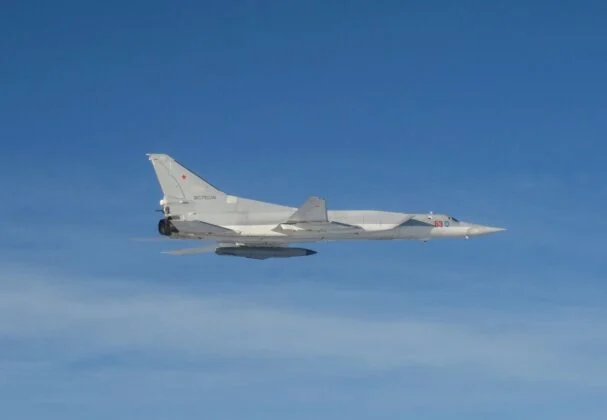
The Swedish Air Force says its quick-reaction alert fighters identified a group of Russian long-range aircraft flying over the Baltic Sea as Moscow carried out a training mission involving Tu-22M3 bombers and escorting fighters.
In a post published by the Swedish Air Force, the service stated: “Swedish QRA identified Russian Tu-22 bombers escorted by Su-35 fighter jets over the Baltic Sea yesterday. Mission carried out in close cooperation with Baltic Air Policing.”
The Swedish statement was accompanied by an image of a Tu-22M3 bomber armed with a cruise missile flying at altitude over the Baltic.
Sweden’s interception occurred as Russia conducted a training mission involving several Tu-22M3 bombers that flew from the Olenya air base on the Kola Peninsula. The aircraft, which were recently repositioned from bases in Siberia, carried out a multihour flight over the Baltic Sea while staying in international airspace.
Along the route, NATO aircraft monitored the formation at various stages. The mission took place in an area where allied air forces routinely track Russian long-range aviation approaching northern European airspace. Sweden coordinated its response with Baltic Air Policing units, following established procedures for cross-border monitoring and regional alert missions.
The Tu-22M3 is a long-range strike aircraft with an operational radius of roughly 2,400 kilometers. It is equipped to carry Kh-22 and Kh-32 missiles, which have ranges that vary depending on the modification and warhead type. The aircraft have been used by Russia in the war against Ukraine, where Kh-22 and Kh-32 missiles have been launched at ground targets.
The presence of these aircraft over the Baltic comes amid increased NATO surveillance of Russian military activity in northern Europe. Russian deployments to the Kola Peninsula have expanded over the past year, placing long-range strike platforms closer to Baltic and Arctic airspace.
The Swedish Air Force did not report any unsafe maneuvers during the encounter, and the Russian aircraft remained outside Swedish airspace throughout the mission. The Swedish fighters conducted their identification run, maintained distance monitoring, and then returned to base after completing the task.