
India Targets Hypersonic Weapons With New Interceptors
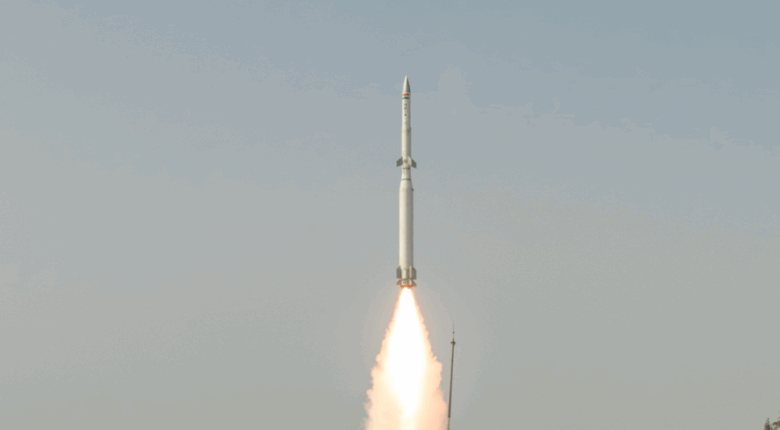
The AD-AH and AD-AM will anchor India’s Phase 3 missile defense, targeting hypersonic glide vehicles and cruise missiles with dedicated high-speed interceptors.
India is chasing speed with speed as its Defence Research and Development Organisation (DRDO) begins work on hypersonic interceptors to take on the country’s fastest missile threats.
The “AD-AH” will go up against hypersonic glide vehicles that climb to high altitude before diving toward their target, while the “AD-AM” is positioned to intercept hypersonic cruise missiles that sustain extreme velocities throughout flight.
Together, they will form the foundation of the third phase of New Delhi’s Ballistic Missile Defense (BMD) program, reportedly serving as the country’s first dedicated interceptors for hypersonic systems.

Both interceptors will use advanced heat-resistant components, improved maneuverability, and enhanced guidance systems designed to enable “one-hit kill” engagements even in tough conditions.
DRDO officials said Phase 3 is in early development, with initial flight trials slated for 2030.
Multi-Layered Missile Defense
India’s BMD program has already produced a range of interceptors. Phase 1 focused on ballistic missiles with ranges up to 2,000 kilometers (1,243 miles).
Phase 2 introduced the more advanced AD-1 and AD-2 systems for longer-range threats exceeding 5,000 kilometers (3,107 miles).
AD-AH and AD-AM could fill vital gaps in India’s growing missile defense architecture by targeting more agile, next-generation threats.
They also join a global lineup of missile defense systems, from Israel’s Iron Dome that relies on short-range rockets to the US Patriot for tactical ballistic threats.