Australia Builds Next-Gen Nuclear Battery With 3D Printing


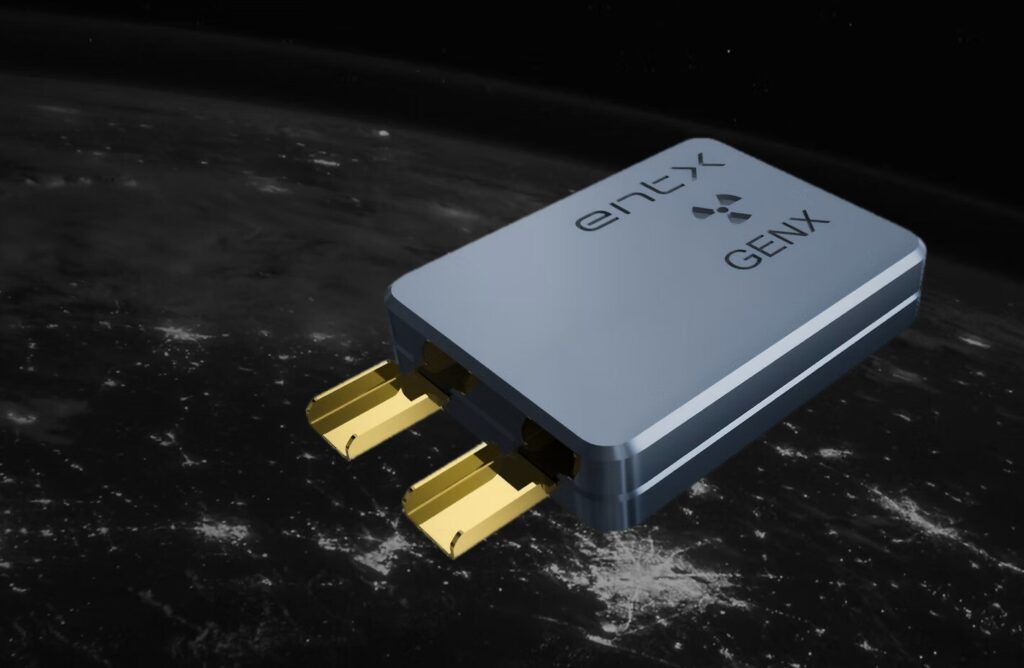
The next-generation nuclear battery is a betavoltaic device, using 3D-printed ultra-thin layers of metals, oxides, and semiconductors.
Australia is moving to crack one of the toughest challenges in space and defense operations: delivering sustainable power for years without refueling, maintenance, or reliance on solar energy.
To solve that, entX and the University of Adelaide have developed GenX, a next-gen nuclear battery that leverages additive manufacturing and advanced materials engineering to increase power density while shrinking size.
It involves stacking ultra-thin layers of metals, oxides, and semiconductors to create compact betavoltaic films, reportedly achieving power outputs beyond what current technology can deliver.

Designed for spacecraft, unmanned underwater vehicles, and remote defense surveillance systems, GenX provides sustained power in locations beyond the reach of traditional energy sources.
“Reliable, long-life power is one of the biggest bottlenecks facing space, subsea, and defense systems,” said Dr Scott Edwards, entX General Manager for Space and Defence.
“By re-engineering betavoltaics as ultra-thin, additively manufactured devices, we’re achieving power densities that were previously out of reach and enabling entirely new mission profiles.”
From Lab to Field
With support from the Additive Manufacturing Cooperative Research Centre, entX is moving GenX from prototype to pre-commercial production.
Backed by 1.8 million Australian dollars ($1.2 million) in funding, the team will spend the next 14 months validating the device and refining the manufacturing process ahead of customer evaluations.
The project aims to scale key prototype steps, including high-efficiency electrical junctions, into a repeatable additive manufacturing workflow at entX’s radiation facility in Australia.