
Brazil Receives Third and Launches Fourth Scorpène-Class Submarines
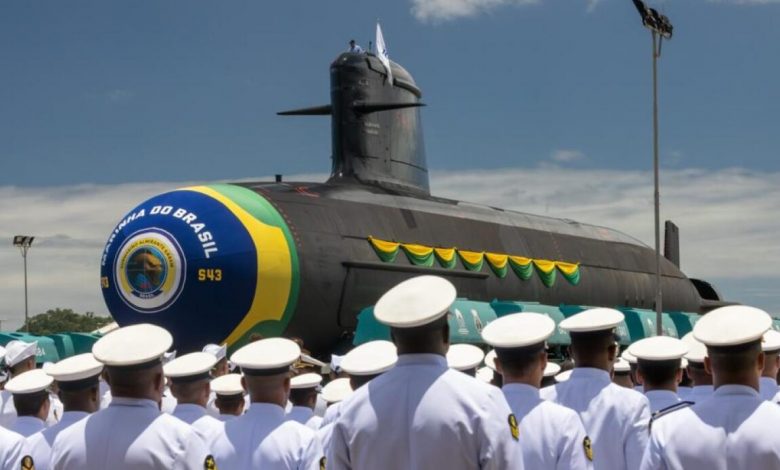
Brazil has marked a major milestone in its naval modernization program with the delivery of the Tonelero, the third Scorpène class submarine built domestically, and the launch of the fourth, Almirante Karam, at the Itaguaí naval base.
The delivery and launch highlight Brazil’s growing technological independence under the Submarine Development Program (PROSUB).
The four submarines came from a 2009 contract between Brasília and Naval Group. The first submarine, named Riachuelo, was launched in 2018. It was then commissioned by the Brazilian Navy in 2022.
Naval Group has played a central role in the program, supporting construction, supplying key equipment, and providing extensive technology transfer and training to local teams at Itaguaí Construções Navais (ICN).
Brazilian welders, metal formers, plumbers, and electricians were trained in France to master submarine construction techniques, allowing ICN to handle everything from metal forming to system commissioning and testing.
Pierre Éric Pommellet, CEO of Naval Group, emphasized the long-term strategic nature of the partnership, adding that “more than delivering submarines, our mission is to build, together with Brazil, a long-term technological and industrial legacy.”
Naval Group’s Broader Role: More Than Just Submarines
Beyond delivering individual submarines, Naval Group has also helped build a domestic naval industrial base in Brazil.
Starting with a 2009 agreement under a broader French‑Brazilian defense cooperation framework, the firm committed to a full transfer of submarine technology, joint shipyard construction, and extensive training.
Brazil and Naval Group are advancing plans for a conventionally armed nuclear‑powered submarine.
In 2025, the South American country awarded new contracts to Naval Group totaling 526 million euros ($610 million), intended to support nuclear‑submarine infrastructure and critical systems development under PROSUB.
The company has also taken steps to qualify and integrate Brazilian local suppliers into its global naval supply chain — not just for the Scorpène boats, but for future naval industry opportunities. This move will help Brazil build a sustainable domestic defense industry ecosystem.