F-16s Unlock Breakthrough Networked Targeting in Flight Test
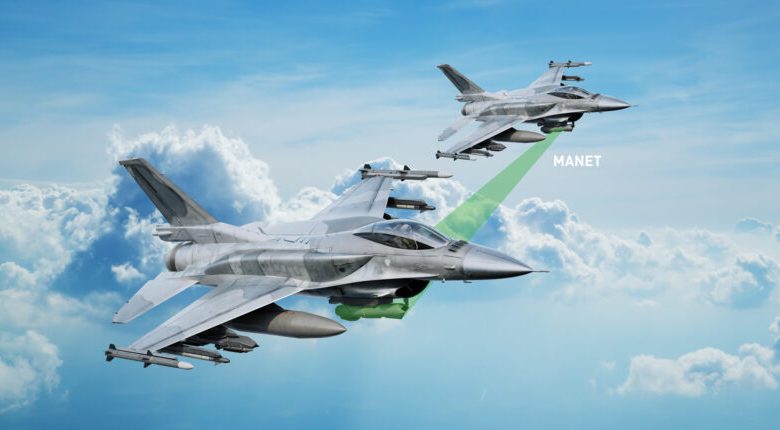

The Sniper NTP enables networked targeting by sharing real-time sensor data across multiple units, improving coordinated strike and situational awareness without aircraft modifications.
America’s F-16 fighter jets took battlefield awareness to the next level with networked targeting powered by Lockheed Martin’s upgraded Sniper Pod.
In a series of breakthrough tests, the Sniper Networked Targeting Pod (NTP) enabled the F-16s to relay identical targeting data to multiple units simultaneously.
The system works by establishing secure links through mobile ad hoc network radios, reducing latency and maintaining signal reliability even when datalinks are disrupted.
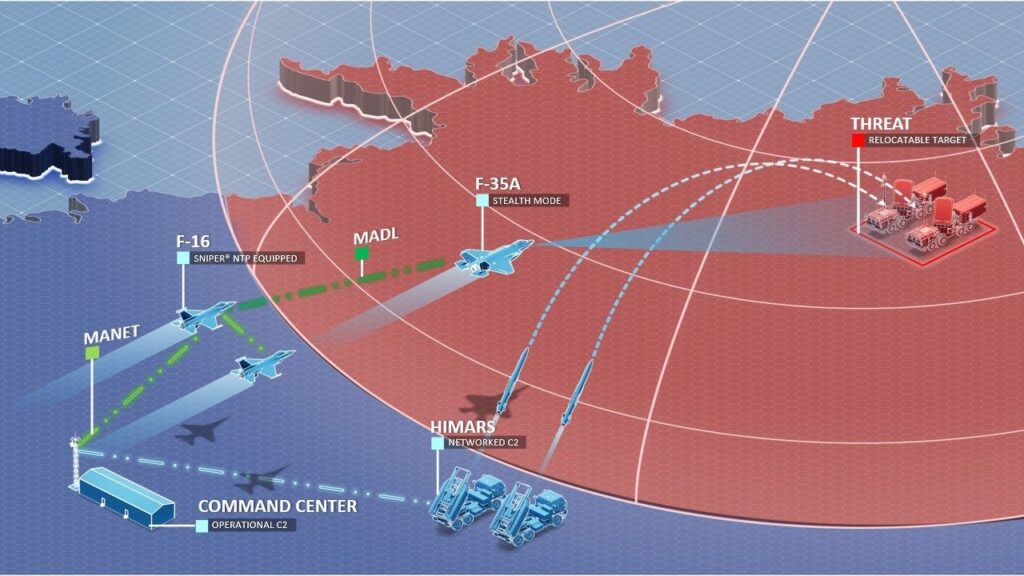
By accelerating the sharing of intelligence, surveillance, and reconnaissance data, the Sniper NTP aims to help forces respond to threats faster and with greater coordination.
“By combining reliable sensing with secure, high-speed connectivity, the pod supports coordinated operations across domains while enabling platforms to share trusted data without requiring changes to the aircraft,” the company stated.
“This first flight demonstration represents a foundational step toward the future of networked targeting, where precision, speed and connectivity converge to meet the demands of emerging threats.”
Taking On a Bigger Role
The device builds on the legacy of the Sniper Advanced Targeting Pod (ATP), which has already logged more than 5 million flight hours across 28 allied partners.
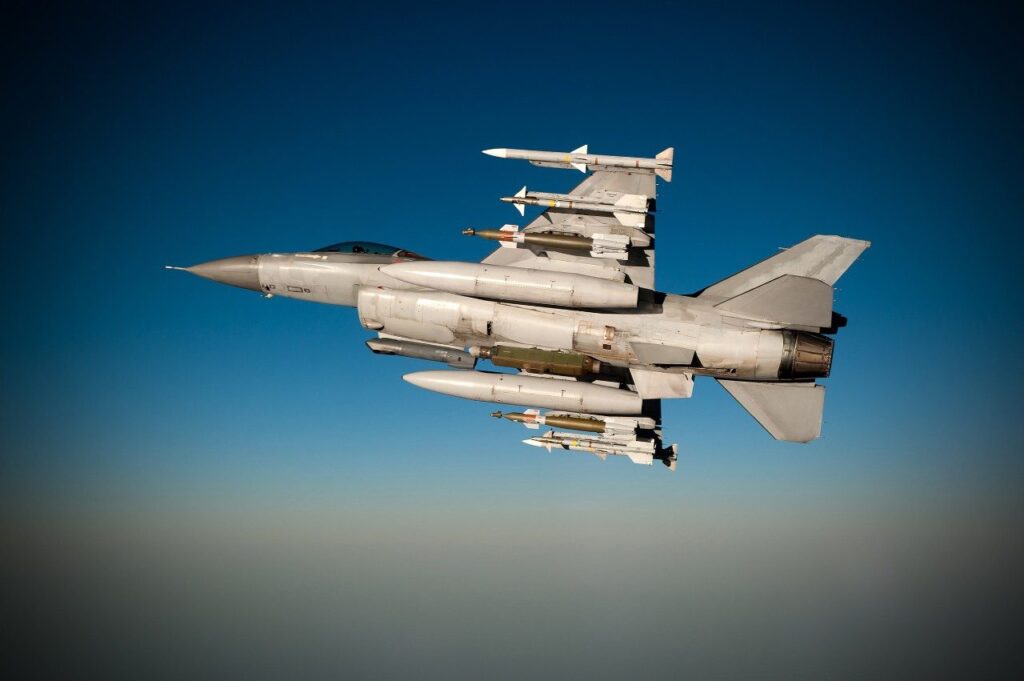
Lockheed has delivered about 1,650 ATP units to military forces worldwide, making it one of the most widely deployed electro-optical and infrared targeting sensors in service.
With the new networked capability, the Sniper NTP is positioned to take on expanded battlefield roles, supporting tighter integration between fifth‑generation aircraft and legacy fourth-generation platforms.