A joint venture between Italy’s Leonardo and Germany’s Rheinmetall has secured two contracts to supply armored vehicles to the Italian Army.
According to German defense news outlet Hartpunkt, citing Italian newspaper Milano Finanza, the contracts are worth about €3.7 billion in total.
According to the media, the order includes 30 next-generation main battle tanks and 48 tracked armored vehicles as part of Italy’s military modernization programs.
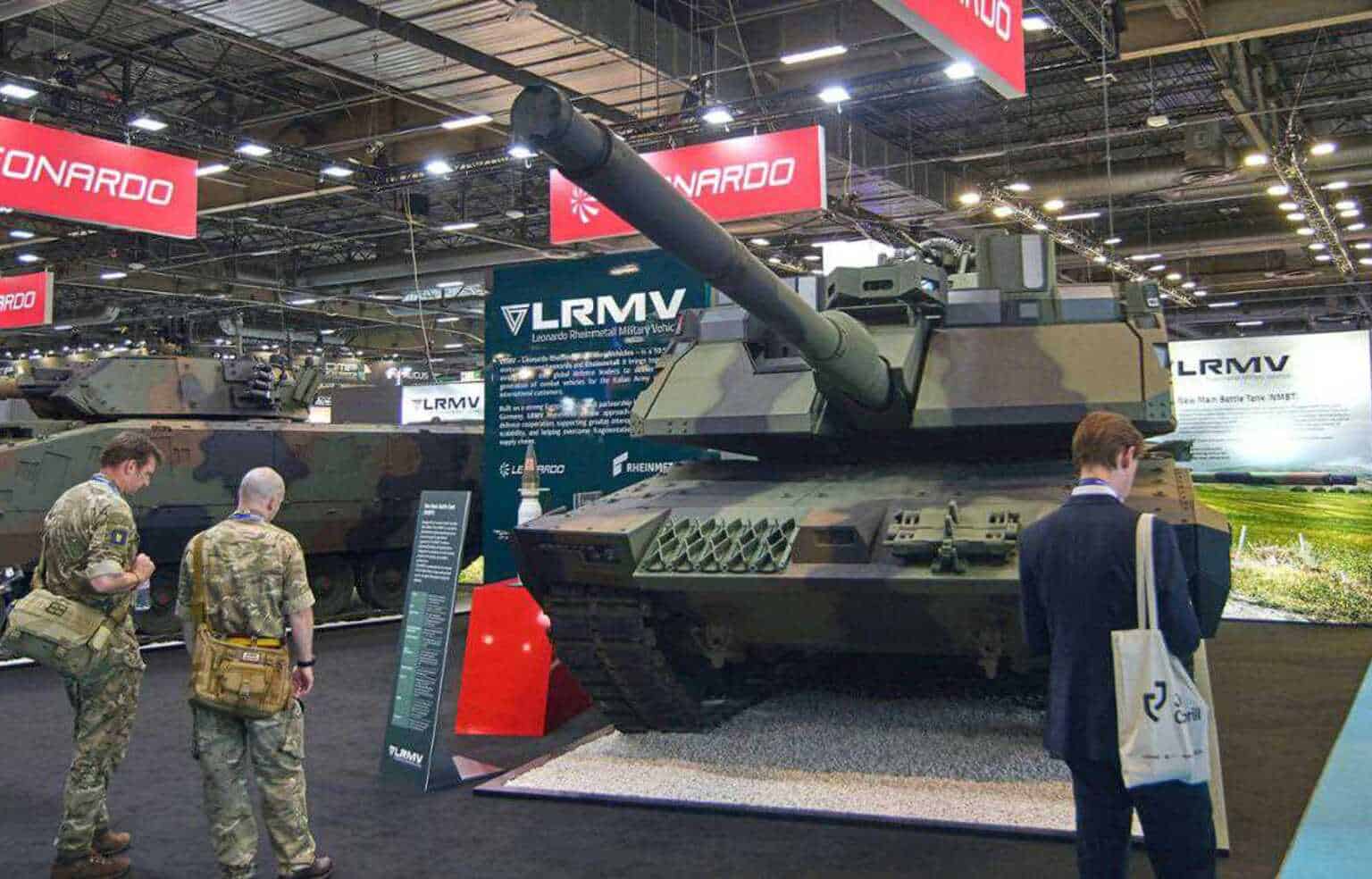
The new tank, designated the NMBT (New Main Battle Tank), is being developed based on Rheinmetall’s KF51 Panther technology demonstrator. It is intended to replace Italy’s Ariete tanks.
The second part of the order concerns the A2CS (Army Armoured Combat System) program, under which Italy is procuring new tracked combat vehicles based on Germany’s KF41 Lynx platform.
The vehicles are intended to replace the outdated Dardo infantry fighting vehicles and supplement the Italian Army’s existing armored fleet.
The Leonardo Rheinmetall Military Vehicles (LRMV) joint venture, established by the two companies in 2024, is carrying out the NMBT tank program.
In September 2026, Militarnyi reported that Italy’s Ministry of Defense published a procurement procedure for new tanks and specialized vehicles based on the tank platform, with an estimated total value of €5.14 billion.
Italy plans to complete the program by 2038, with the country’s total requirement previously estimated at approximately132 new main battle tanks.
In January 2026, the Italian military received the first four vehicles of this type. In November 2025, LRMV signed an initial contract to deliver 21 KF41 Lynx infantry fighting vehicles. The agreement also included an option to purchase an additional 30 vehicles.
In the longer term, Italy plans to procure 1,050 Lynx-family armored vehicles across ten versions, including 649 infantry fighting vehicles. The A2CS program also covers command, reconnaissance, medical, and recovery vehicles.
Italy’s defense industry will play a significant role in manufacturing the vehicles. Under preliminary plans, Italian companies will handle final assembly, testing, and subsequent maintenance. Domestic production is expected to account for about 60% of the program.
Source: Defence Blog
-
-
-

-
-