
Japan Modifies ASM-3 Anti-Ship Missile to Destroy Air Targets
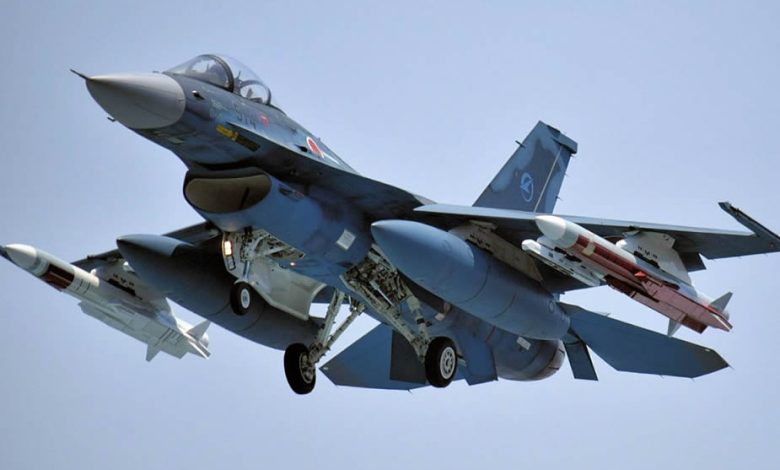
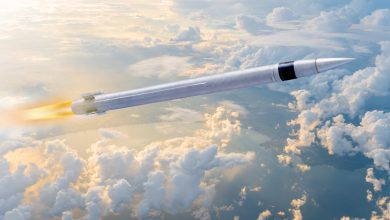
Japan is likely to modify the ASM-3 supersonic anti-ship missile into an ultra-long-range air-to-air missile for intercepting aerial targets.
The Japanese Ministry of Defense announced its plans to procure air-to-air missiles for 2027 in a budget document.
Converting the anti-ship missile into an air-to-air interceptor is intended to create a means of countering long-range enemy aircraft — such as long-range radar detection aircraft, aerial refueling tankers, and strategic bombers.
Thanks to its ramjet engine, the upgraded air-to-air version of the missile will be capable of reaching an estimated range of 400-600 km.
Mitsubishi Heavy Industries began developing the basic ASM-3 anti-ship missile in 2003 to replace the obsolete ASM-1 and ASM-2.
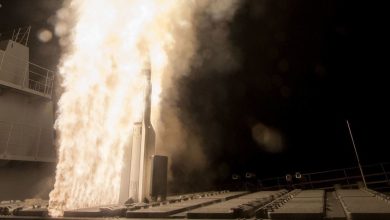
The development program lasted more than a decade, and in 2017, test launches from the decommissioned destroyer Shirane confirmed the new weapon’s performance characteristics.
However, the initial version of the missile, with a range of 200 km, never entered serial production because the Japanese Ministry of Defense deemed this range insufficient to penetrate modern naval air defense systems and demanded upgrades.
As a result, an improved version, the ASM-3A, was developed; by reducing weight and optimizing fuel consumption, its range was increased to 400 km or more.
In its basic anti-ship version, the ASM-3 is 6 meters long, has a body diameter of 350 mm, and a total launch weight of approximately 940 kg.
The missile is equipped with a penetrating high-explosive warhead weighing about 150 kg, designed to engage medium- and large-displacement surface ships.
The primary platform for the ASM-3 family of missiles is the Japan Air Self-Defense Force’s F-2 fighter jets.
It should be noted that, starting in 2027, the Japanese Ministry of Defense will begin the procurement process for AARGM-ER anti-radar missiles to counter Chinese air defense systems.
Source: Militaryni