Lockheed, Microsoft Launch Sanctum C-UAS Leveraging Cloud Tech
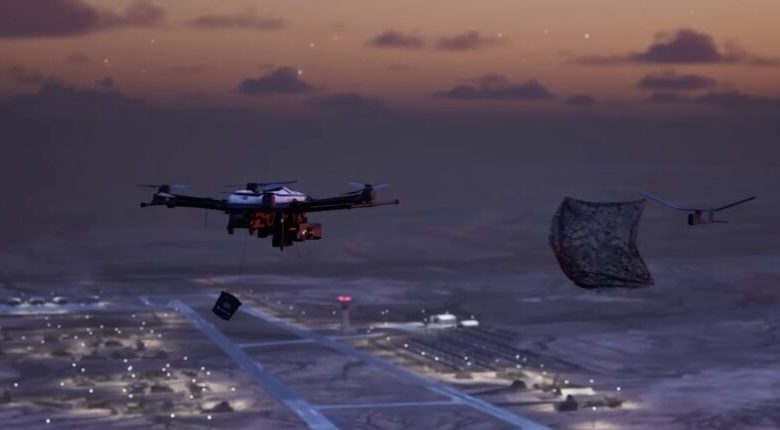
Lockheed Martin and Microsoft are betting on cloud computing and artificial intelligence (AI) to shape the next era of counter-drone warfare.
The two firms are collaborating on Sanctum, a next-gen counter-unmanned aerial system (C-UAS) designed to protect military forces from advanced aerial threats.
The system features a modular, scalable architecture that integrates multiple sensors, effectors, and command-and-control systems into a single platform.

Sanctum’s core capabilities include multi-sensor tracking across locations, automated threat analysis and prioritization, and coordinated multi-domain response.
It is also interoperable by design, allowing seamless integration of third-party sensors and effectors through a software development kit.
“Collaborating with Microsoft brings the best of defense and digital innovation to help our customers respond to emerging threats faster than ever before,” said Paul Lemmo, vice president and general manager at Lockheed.
“Together, we fuse world-class defense know-how with industry-leading cloud and AI technologies, giving our customers a decisive edge against evolving drone threats.”
Digital Backbone
Sanctum is powered by a Microsoft Azure-based digital backbone that fuses distributed sensor data to accelerate decision-making.

Leveraging cloud-scale connectivity, data analytics, and AI tools, the platform enables real-time threat detection and tracking of aerial threats.
Through continuous data processing, it aims to help operators identify, classify, and prioritize aerial threats with speed and confidence.
Users interact with Sanctum through unified mission management tools, supported by Azure Monitor and streamlined user interfaces that surface only mission-critical information, reducing cognitive load and keeping focus on the most urgent threats.