Ukraine revises F-16 combat tactics for frontline operations
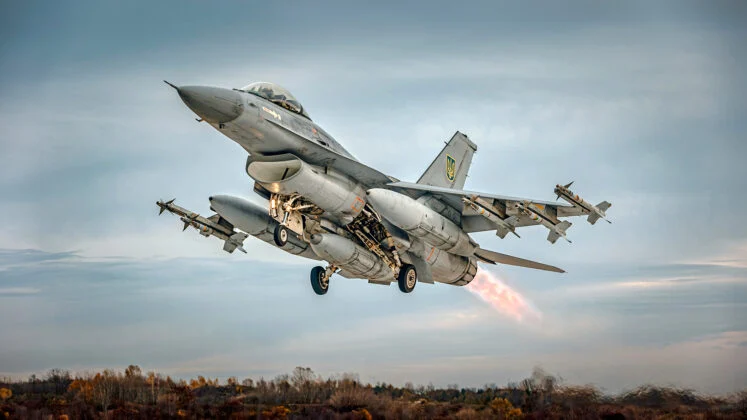
Ukrainian Air Force pilots operating F-16 fighter jets were forced to revise NATO-taught air combat tactics after returning from training abroad, as the methods proved unsuitable for the realities of combat near the front line in Ukraine, according to a report published by Militarnyi citing official Air Force video footage.
In comments shown in the video, one Ukrainian F-16 pilot said that the tactics taught during partner training were based on conflicts fought previously by Western air forces and did not fully account for the dense air defense and fighter threat environment present in Ukraine. “When we returned home from training, we faced reality: the tactics we were taught abroad do not fully fit the war we are fighting,” the pilot said.
According to the pilot, Ukrainian F-16 crews—many of them experienced aviators—had to independently develop new rules of engagement focused on intercepting cruise missiles, attacking drones, and surviving combat operations close to the line of contact. “We had to sit down and think through how we would operate—how we would destroy cruise missiles, strike drones, and fight the enemy near the front line,” he said.
The Air Force pilot said the front is saturated with Russian surface-to-air missile systems and combat aircraft, making air operations particularly dangerous. He identified Russian Su-35, Su-57, and MiG-31 fighters as the primary aerial threats. “Almost every sortie toward the line of contact involves enemy missile launches against our aircraft, most often air-to-air missiles,” he said.
Because Russian fighters can remain on combat air patrol at higher altitudes while waiting for Ukrainian strike groups, Ukrainian pilots are forced to fly lower to reduce exposure to both air-to-air and ground-based threats. “Unfortunately, we do not have the ability to remain on station at altitude. That is why we have to fly lower to reduce the threat from surface-to-air missile systems,” the pilot explained.
To survive in this environment, Ukrainian F-16 crews rely on low-altitude maneuvering tactics, using terrain masking to degrade enemy radar tracking and missile seeker performance. Flying close to the ground increases background noise and limits radar line-of-sight, making it harder for Russian sensors to maintain target lock.
The pilot also described escort missions in which F-16s deliberately expose themselves to enemy fighters in order to draw missile launches and deplete Russian ammunition, allowing strike aircraft carrying precision-guided bombs to complete their missions. In one described engagement, Ukrainian pilots operating as a three-ship formation forced Russian fighters to fire missiles from different directions, enabling the strike aircraft to hit its target and return safely.
Militarnyi reported that, as of November 2025, Ukrainian F-16 fighters had intercepted more than 1,300 Russian missiles and drones since entering service. In one confirmed case, a Ukrainian F-16 shot down six Russian cruise missiles during a single combat sortie, including two destroyed using the aircraft’s cannon.
In addition to air defense missions, Ukrainian F-16s have conducted extensive strike operations. As of November, the aircraft had destroyed more than 300 ground targets, including Russian military vehicles, command posts, drone control centers, ammunition depots, and logistics facilities, according to the report.