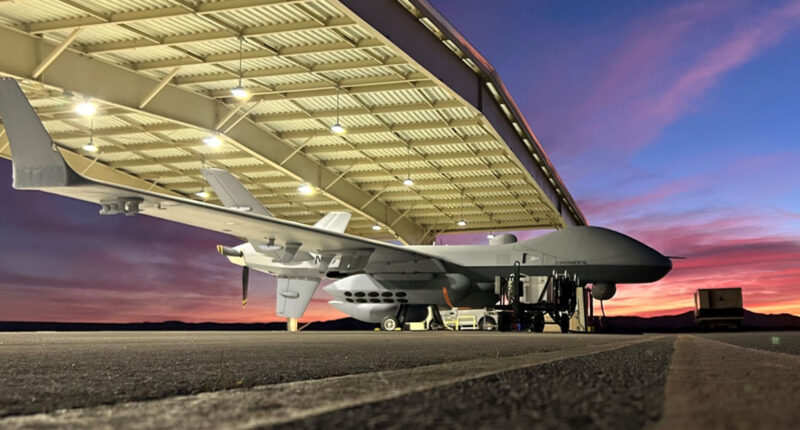
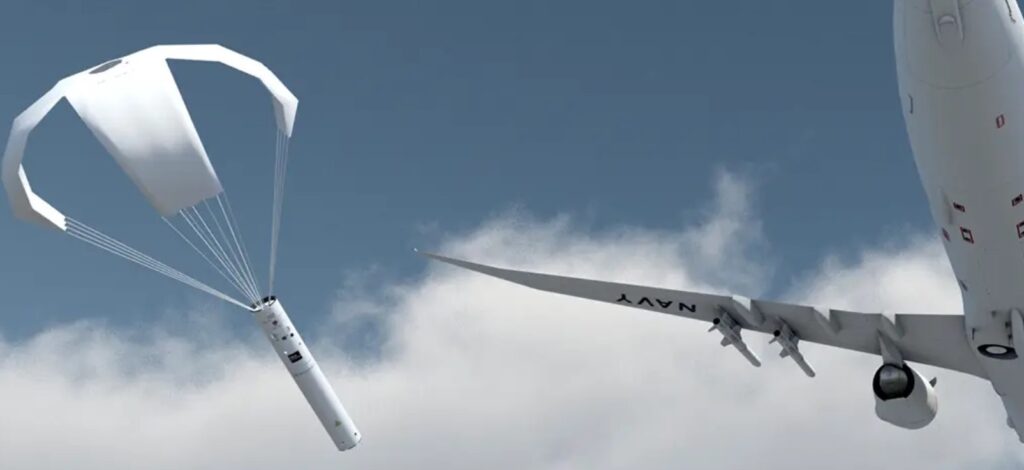
Sonobuoy is a naval sensor to track submarines, which can be deployed via the MQ-9B SeaGuardian drone, and features Sonobuoy Dispensing System pods.
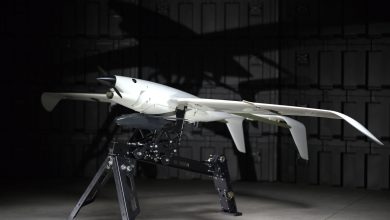
General Atomics Aeronautical Systems (GA-ASI) is giving the MQ-9B SeaGuardian sharper teeth for hunting enemy submarines.
In recent tests, the drone deployed more Sonobuoy Dispensing System (SDS) pods, effectively doubling the load it can carry.
It successfully dropped a mix of sensors designed to measure ocean conditions, detect submarines passively, and actively track targets.


The trials also marked the first time Multi-static Active Coherent (MAC) sonobuoys were launched from the SeaGuardian, allowing wider detection coverage.
“Expanding sonobuoy capacity, including MAC technology for SeaGuardian, has been an integral part of our advanced anti-submarine warfare (ASW) strategy to broaden and enhance search areas,” said GA-ASI President David R. Alexander.
Backed by the US Navy, the flight tests also certified the SDS and helped evaluate the system for operational use by the Commander of the US Pacific Fleet.
Full clearance for anti-submarine operations is expected in January 2026.
Boosting Maritime Surveillance
Sonobuoys are naval sensors dropped into the ocean to locate and track submarines.
Once deployed, they listen for underwater sounds and sonar echoes created by submarines, transmitting the data back to the SeaGuardian for real-time analysis.
This autonomous data loop lets the drone process information quickly, identifying potential targets without waiting for human operators.

The MQ-9B, meanwhile, is a long-endurance, multi-domain unmanned aircraft built for maritime intelligence, surveillance, and reconnaissance missions.
It carries advanced radar, electro-optical/infrared sensors, and automatic identification systems to monitor vessels over vast ocean areas.
By integrating sonobuoy data, the SeaGuardian can provide commanders with a continuous, high-fidelity picture of both surface and subsurface activity, making it a flexible tool for anti-submarine operations and fleet protection.
-
-
-
-
-