South Korea has formed a government-wide task force to push the development of a locally manufactured engine for next-generation fighter aircraft, according to local media.
The ministerial group consists of agencies for industry, land, and defense, with the Defense Acquisition Program Administration (DAPA) and the Korea AeroSpace Administration directing coordination.
The team will align policy, budgets, and research plans for advanced propulsion systems, considered one of the most demanding and expensive areas in defense manufacturing.
Seoul’s move follows a DAPA roadmap issued in January to design a domestic engine for the East Asian country’s future military jets, a capability that typically demands decades of sustained investment and highly specialized engineering expertise.
The task force will also manage certification requirements, prevent overlapping budgets, and coordinate research across agencies as the program advances.
In the future, the program aims to place South Korea alongside a small group of nations that produce high-performance fighter engines, including the US, the UK, France, and Russia.
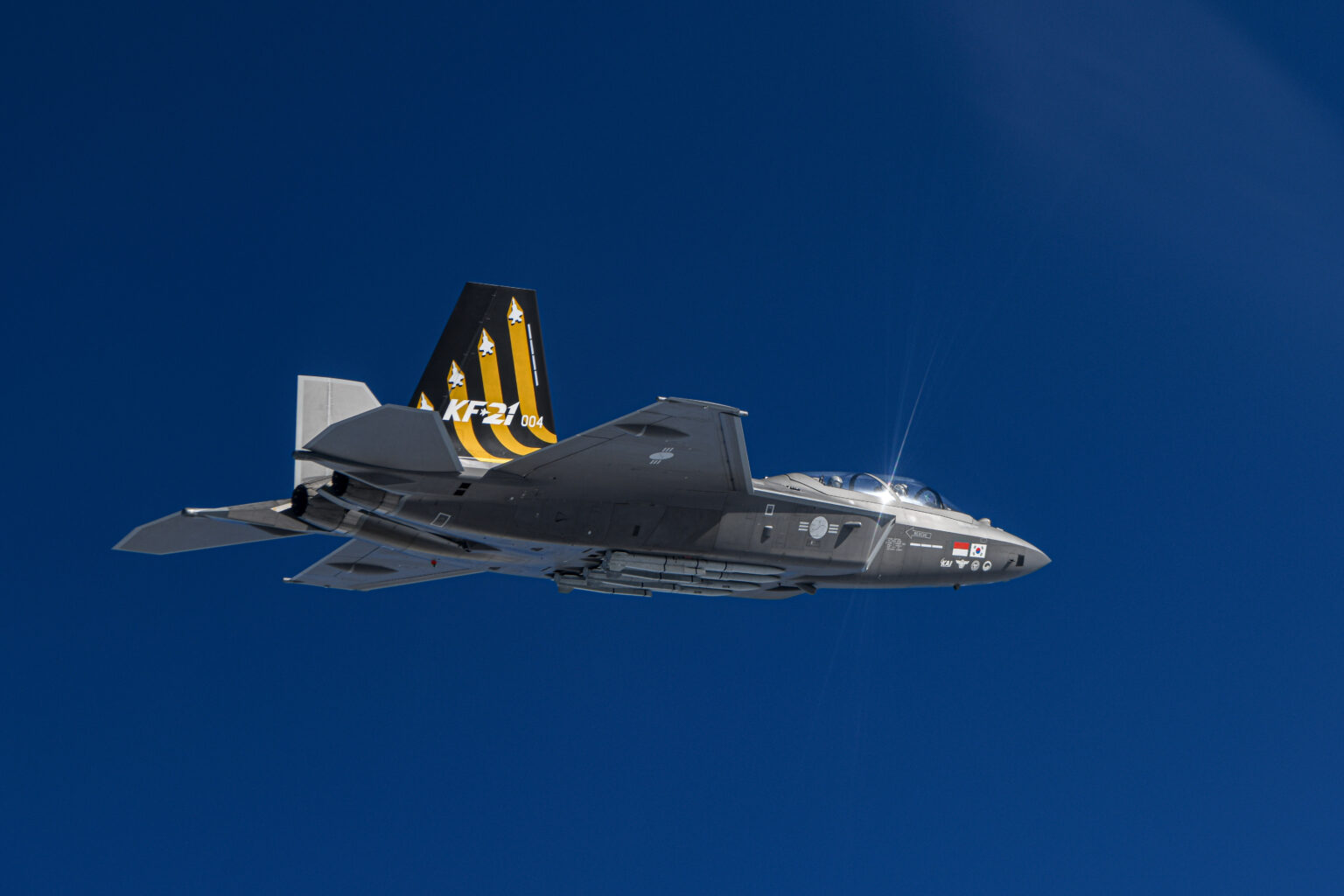
The nation currently produces the KF-21 Boramae, a 4.5-generation combat aircraft slated for low-rate initial production in 2026 and full-rate production by 2028.
Independence, Expansion in Civilian Sector
Officials said the success resulting from the new government body would significantly reduce maintenance and overhaul costs now paid to foreign suppliers while strengthening the export potential of Korean-built aircraft.
“We will contribute to achieving technological self-reliance in advanced aircraft engines, securing a stable supply chain,” Yonhap News Agency quoted a South Korean Ministry of Trade, Industry, and Energy source as saying.
A DAPA representative added that aircraft engine development is “a strategic technology that has significant impact” beyond defense, stressing its value to the civilian aerospace sector.