Türkiye eyes oil-for-infrastructure mechanism for Development Road
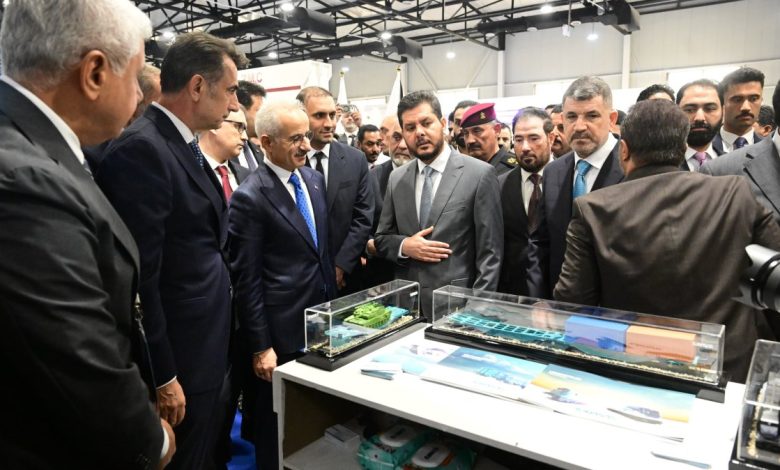
Türkiye’s transport chief said Wednesday that Ankara wants to launch a new financing mechanism with Iraq for the Development Road project, starting with railway construction in exchange for Iraqi oil.
Abdulkadir Uraloğlu, Türkiye’s minister of transport and infrastructure, said the system could serve as a model for Türkiye’s relations with other countries.
“We want this new system, which we plan to begin with building a railway in exchange for oil, to set an example for our relations with other countries as well,” Uraloğlu told an event in Baghdad.
The Development Road is planned to run from Iraq’s Grand Faw Port on the Persian Gulf through Türkiye to Europe. Uraloğlu called it one of the most concrete examples of the shared vision between the two countries and said it offers both a “historic opportunity.” He said road and rail links would create a new trade and logistics corridor between Asia and Europe.
He said the project would go beyond transport lines. Ports, logistics centers, and industrial and production facilities would be linked, along with energy and communications infrastructure.
A day earlier, Uraloğlus said the project is expected to contribute $61.5 billion to the Turkish economy over 10 years and create an average of 71,000 jobs a year through the siting of production and logistics centers.
Cargo leaving the Faw Port would travel about 1,200 kilometers (745.65 miles) by rail to Ovaköy, a crossing on the Türkiye-Iraq border in southeastern Türkiye. From there, it would continue across Türkiye toward Europe. The initiative was unveiled in May 2023 and is estimated to cost $20 billion.
The Iraqi section will be built by Turkish contractors. The two countries signed memorandums in July that included a framework for funding transport infrastructure in Iraq with oil and other natural resources, with a fund to be established, according to reports.
On Wednesday, Uraloğlu said Türkiye expects the project to strengthen Iraq’s position in regional and global trade and to create new investment and jobs. Integrating the route with other international corridors would also make it easier for Iraq to reach neighboring markets, he said.
He said Türkiye is working closely with Iraqi officials on financing, harmonizing technical standards and speeding up implementation.
Uraloğlu said the corridor’s success would also depend on streamlining the movement of goods along it. He pointed to easier border crossings, faster customs procedures and the digitalization of transport. The goal, he said, is to turn borders from obstacles to trade into crossing points that strengthen economic cooperation and integration.
He added that Turkish contractors and engineers could help strengthen transport infrastructure in Iraq and the wider region, and he stressed that Türkiye places great importance on Iraq’s stability, prosperity and development.
Uraloğlu said the project’s international significance is growing, and that European counterparts increasingly ask when it will be finished.
“Our European counterparts ask us more and more every day, ‘When will you finish the Development Road?'” he said. “We already knew the importance of the project, and Europe has fully grasped it with recent developments. God willing, we will start our project without being late and bring it to life.”
Source: Daily Sabah